Physical Security
Uses device interaction signals as a live security factor beyond passwords, MFA prompts, and login sessions.
NSA reviewed | U.S. patent pending
VibeAuth pairs a USB security dongle with desktop software and a secure web portal to verify physical user presence through vibration-aware input signals.
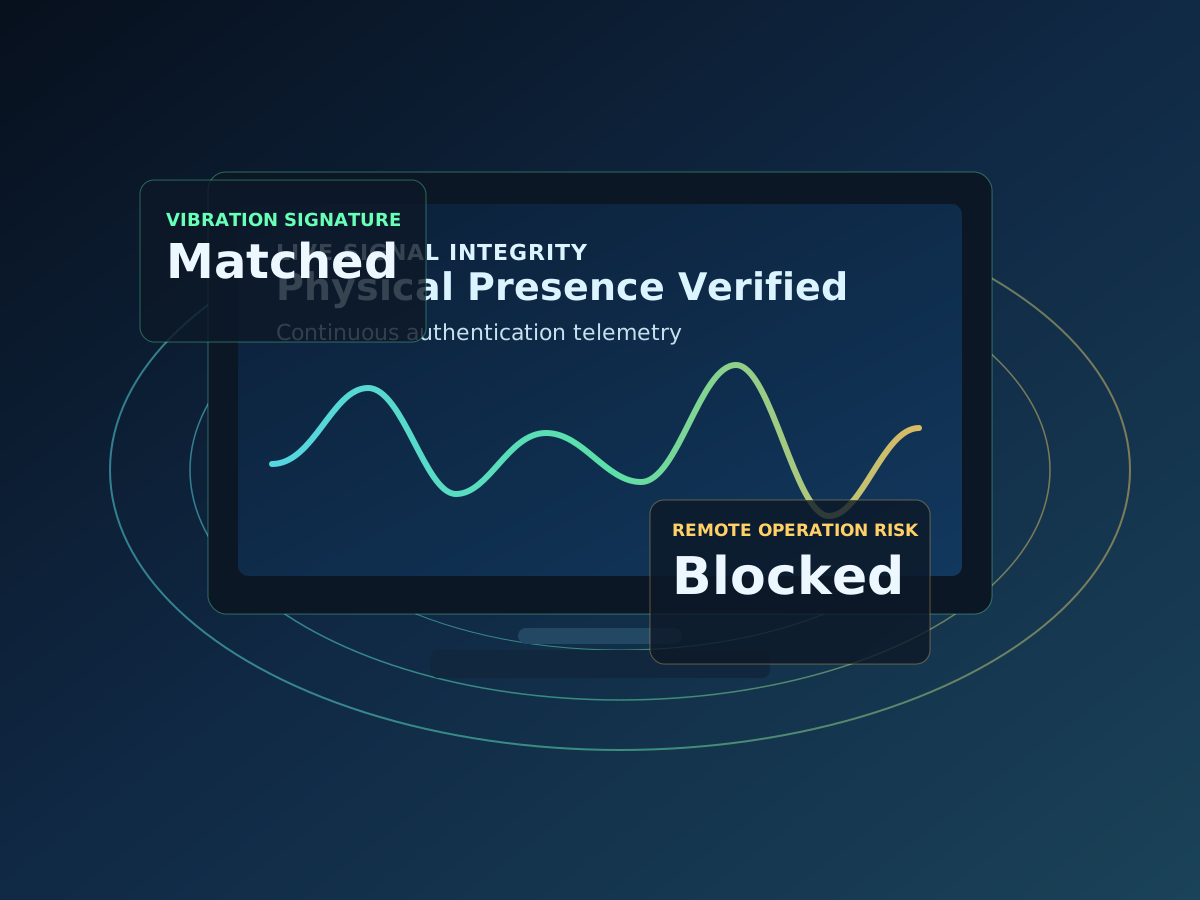
RDP, VM, and delegated access patterns are evaluated against physical input evidence.
The remote-access gap
Sensitive workstations can be operated through remote desktop tools, virtual machines, or delegated access even when the assigned device is not physically being used by the authorized person.
VibeAuth adds a hardware-backed signal path that watches how user input interacts with the device. The system turns vibration patterns into continuous authentication evidence, reducing the blind spots left by one-time login checks.
Features
Uses device interaction signals as a live security factor beyond passwords, MFA prompts, and login sessions.
Helps detect and stop sessions that appear active digitally but lack trusted physical interaction at the endpoint.
Turns suspicious signal changes into clear reporting for administrators, security reviews, and audit workflows.
Analyzes vibration patterns over time to improve authentication decisions while reducing noisy false alerts.
Security flow
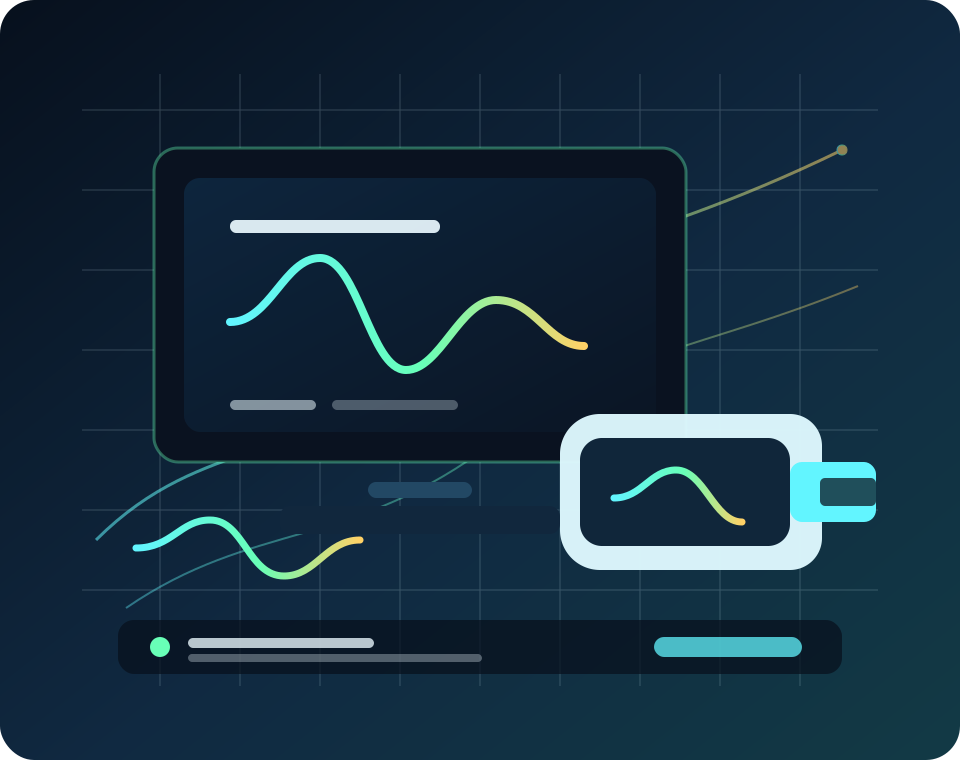
USB Type-C dongle pairs with the protected workstation.
Desktop software captures physical interaction and vibration evidence.
AI-assisted models compare live signals against expected user presence.
Alerts and reports surface in the web portal for fast investigation.
Founder
VibeAuth began with a direct question: how can an organization know the authorized user is still physically operating the assigned device? The answer became a hardware and software system focused on continuous proof of presence.
Pricing
$37.79 / unit
$79.99 / year
Contact
Send a message to discuss pilots, endpoint requirements, portal setup, or deployment planning.